Posted on 5/7/2024
We’re diving into an important topic that affects the comfort and safety of your driving: SHOCKS & STRUTS. Whether you’re a new or experienced driver, understanding these components of your vehicle's suspension system can help you keep your vehicle in top shape. What Are Shocks and Struts? Shocks and struts are parts of your vehicle that help manage the impact and rebound motion of your vehicle's springs and suspension. To put it simply, they help absorb the bumps and potholes you drive over, so you can enjoy a smoother ride. The Role of Shocks and Struts Absorbing Bumps: The primary job of shocks and struts is to absorb the energy from road bumps that your vehicle's springs pick up, preventing your car from continuously bouncing on rough roads. Enhancing Comfort: By controlling the movement of the suspension and springs, shocks and struts make your car rides less bumpy and more comfortable. Improving Handling: These components help keep your car stabl ... read more
Posted on 5/1/2024
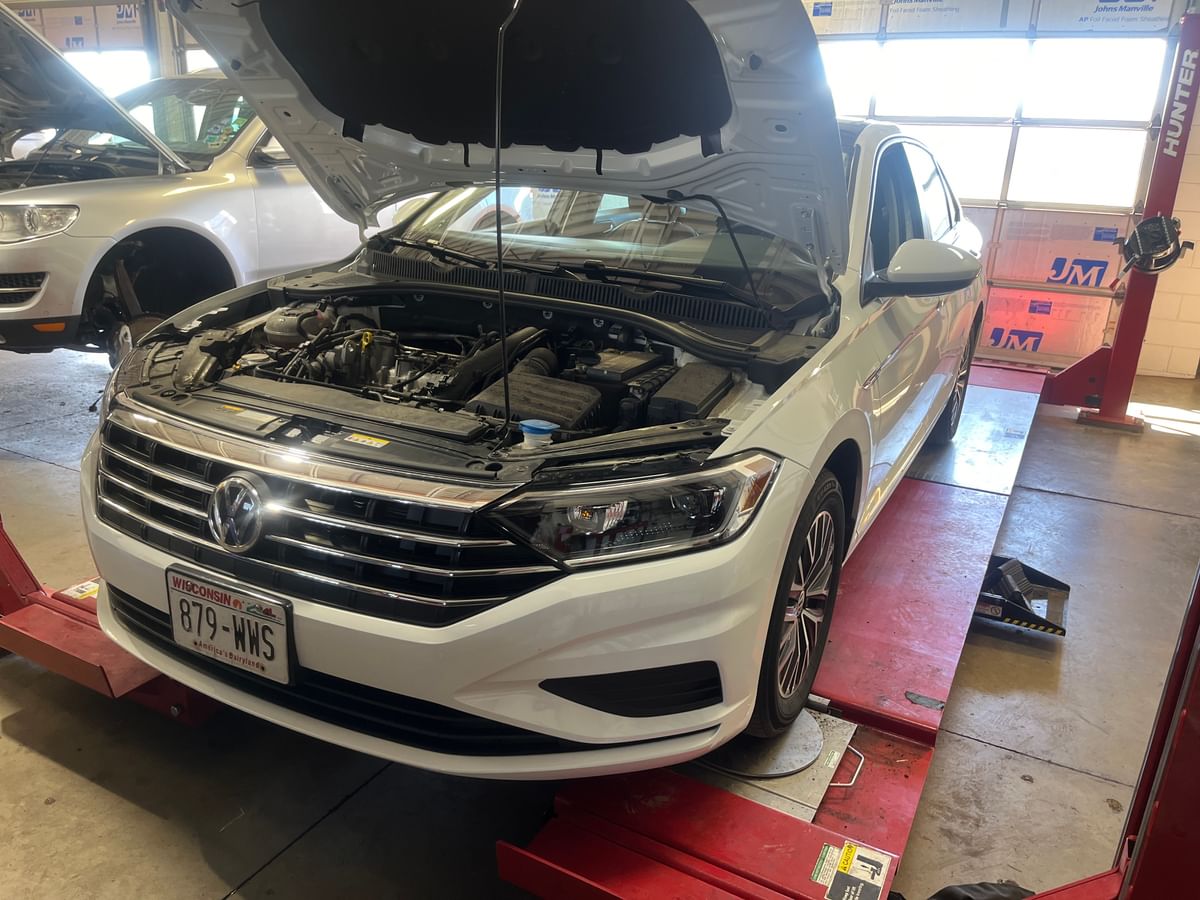
Why is my Volkswagen leaking oil? An oil leak in your Volkswagen can be caused by several issues, ranging from simple to complex. Here are some common reasons why your vehicle might be leaking oil: Worn or Damaged Oil Filter: Over time, oil filters can become damaged or improperly fitted, leading to leaks. Ensure that the oil filter is correctly installed and replace it if it's old or damaged. Faulty Oil Pan Gasket: The oil pan gasket, which seals the oil pan to the bottom of the engine, can deteriorate over time. This is often due to exposure to extreme temperatures and engine vibration. Aged Valve Cover Gasket: The valve cover gasket seals the top of the engine and prevents oil leaks. If this gasket fails, oil can leak out, especially at the top of the engine. Damaged Seals or Gaskets: Other seals, like the front or rear main seal, camshaft seals, or crankshaft seals, can also wear out and cause leaks. Cracked Oil Pan: Sometimes, debris on the road can hit the oil pan ... read more
Posted on 4/23/2024
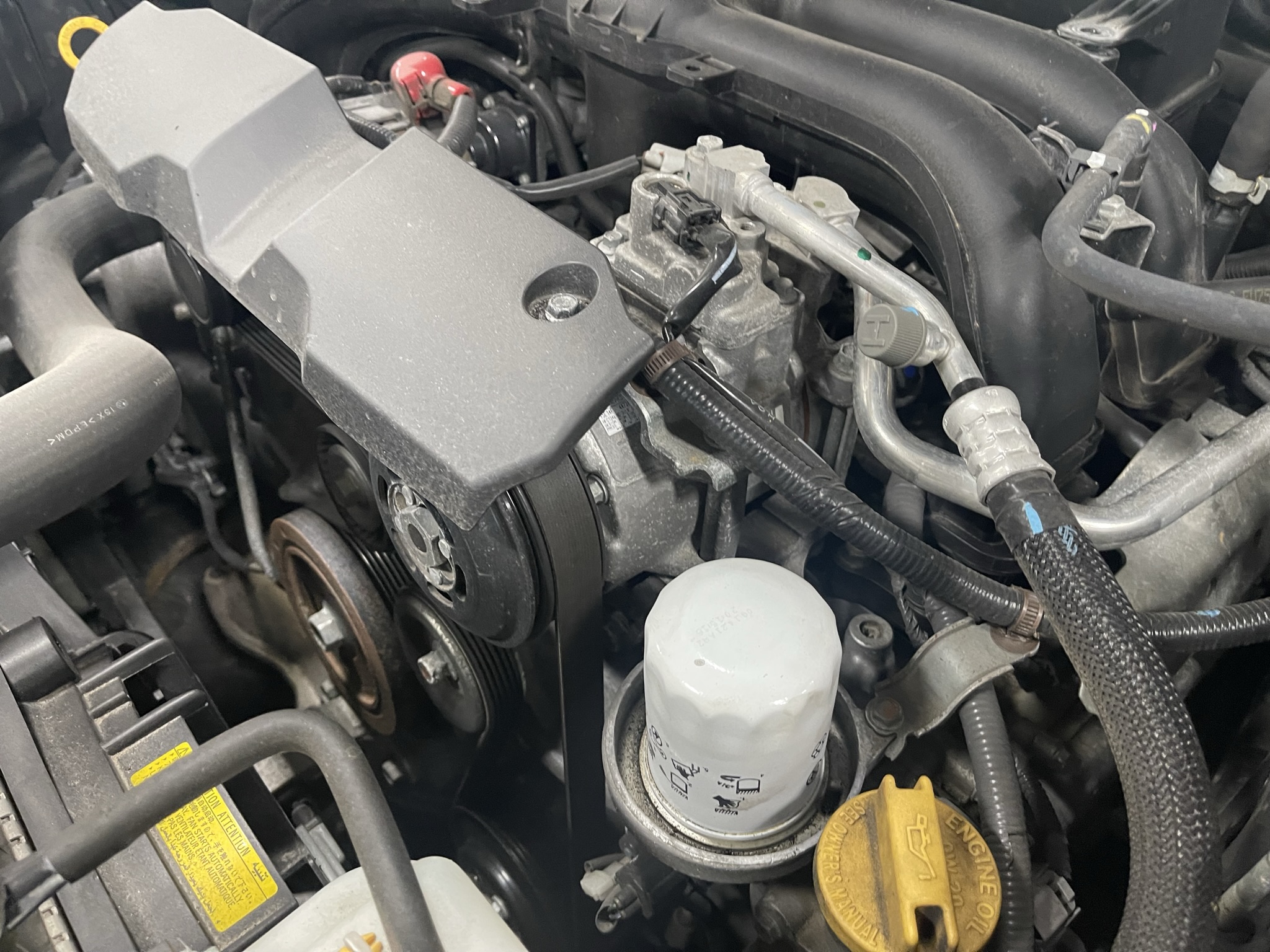
As you get ready to plan those trips for Memorial Day Weekend that is fast approaching; do not wait until then to try your air conditioning systems! If you turn your A/C on and it’s not blowing cold, find out before it’s needed! The vehicle’s A/C system could be blowing warm air due to several possible causes. Low Refrigerant Levels: The most common reason for an AC system not blowing cold air is low refrigerant levels. The refrigerant is what cools the air that is circulated into the cabin of the car. If there's a leak anywhere in the AC system, the refrigerant level can drop, resulting in warm air. Faulty Compressor: The compressor is the heart of your vehicle's air conditioning system. It circulates the refrigerant necessary for heat exchange through the system's components. If the compressor is not working properly, it won't be able to pump the refrigerant through the system effectively. Clogged or Dirty Condenser ... read more
Posted on 3/29/2024
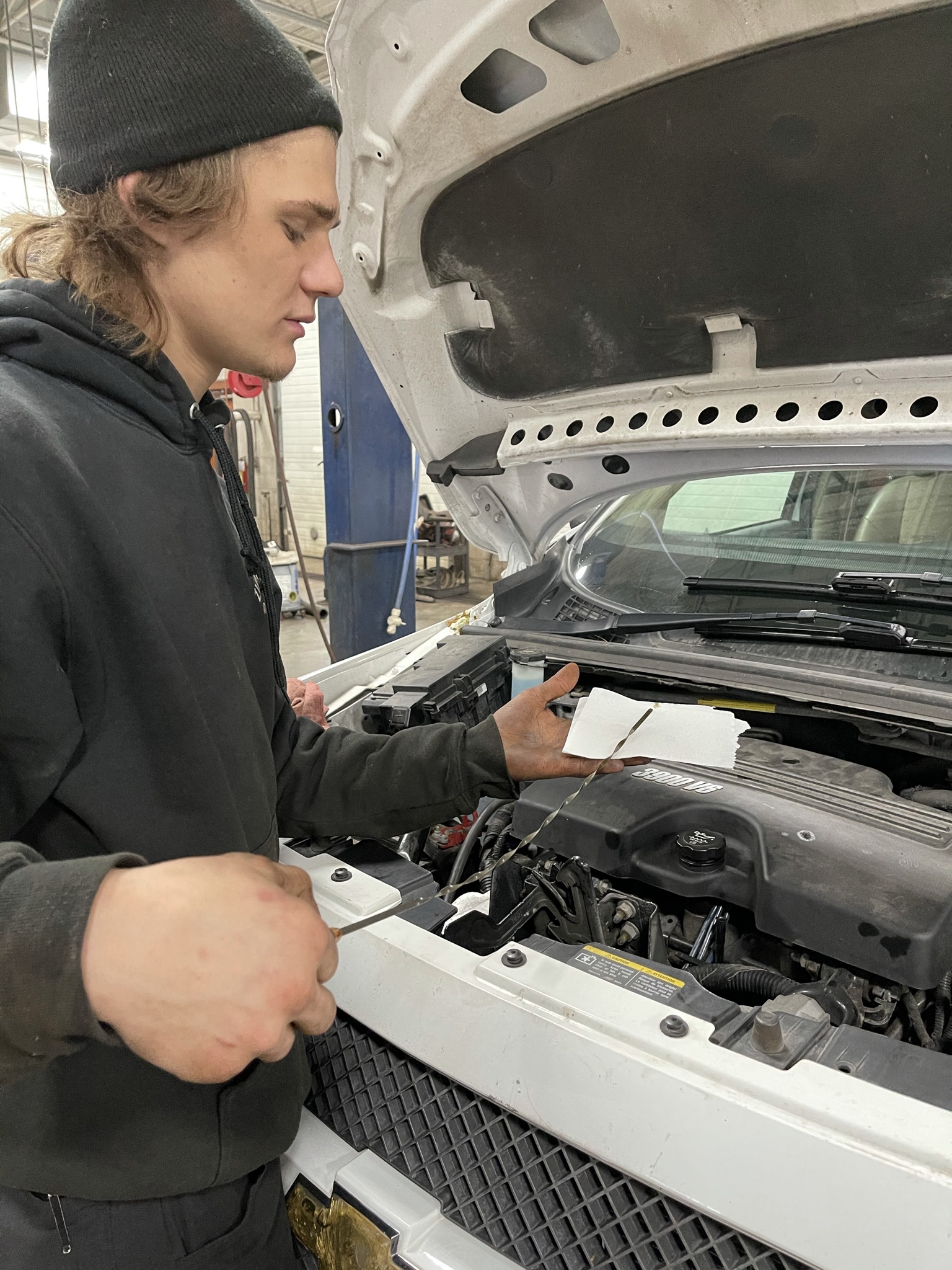
As spring blossoms and the weather takes a turn for the better, it’s the perfect time to show some love to your four-wheeled companion. April is designated as Car Care Month, a reminder for car owners to perform essential maintenance and ensure their vehicles are ready for the upcoming adventures. Spring Cleaning for Your Car: Just like your home, your car deserves a good spring cleaning. Removing the winter grime, salt, and debris from both the exterior and interior. A good wash and wax not only enhances the appearance of the vehicle but also protects the paint from the elements. Check Your Fluids: April is an excellent time to check and top up essential fluids such as engine oil, transmission fluid, brake fluid, and coolant. Regular fluid mainte ... read more
Posted on 3/1/2024
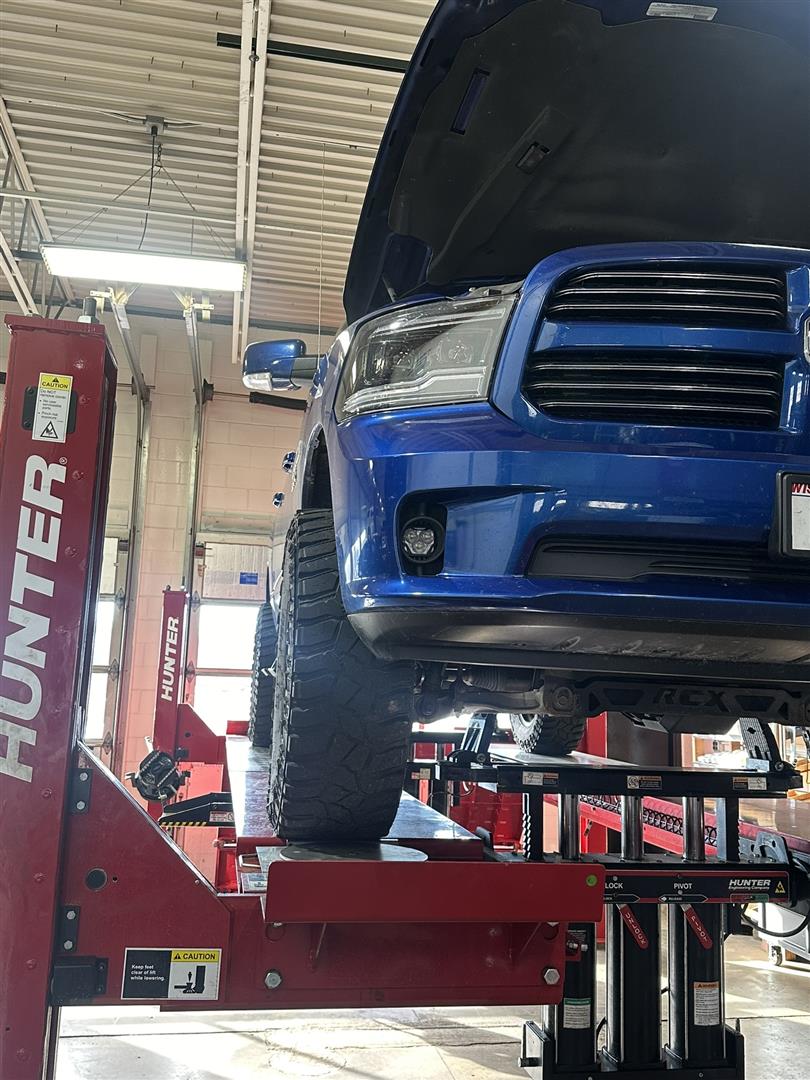
Suspension Issues: Problems with your car’s suspension system can lead to bouncing. This could be due to worn-out shock absorbers, struts, or other suspension components. If these are not functioning properly, they can’t effectively absorb the bumps and shocks from the road. Tire issues: Uneven tire wear, low tire pressure, or imbalanced tires can cause your vehicle to bounce. Ensure that your tires are properly inflated and have even tread wear. If the tires are out of balance, it can also contribute to bouncing. Alignment Issues: Improper wheel alignment can result in uneven tire wear and cause your vehicle to bounce. If the wheels are not aligned properly, it can affect how the tires interact with the road surface. Damaged Springs: The springs in your vehicle’s suspension system help absorb shocks. If these springs are damaged or worn out, it can lead to bouncing. Worn Bushings or Bearings: Bushings and bearings ... read more